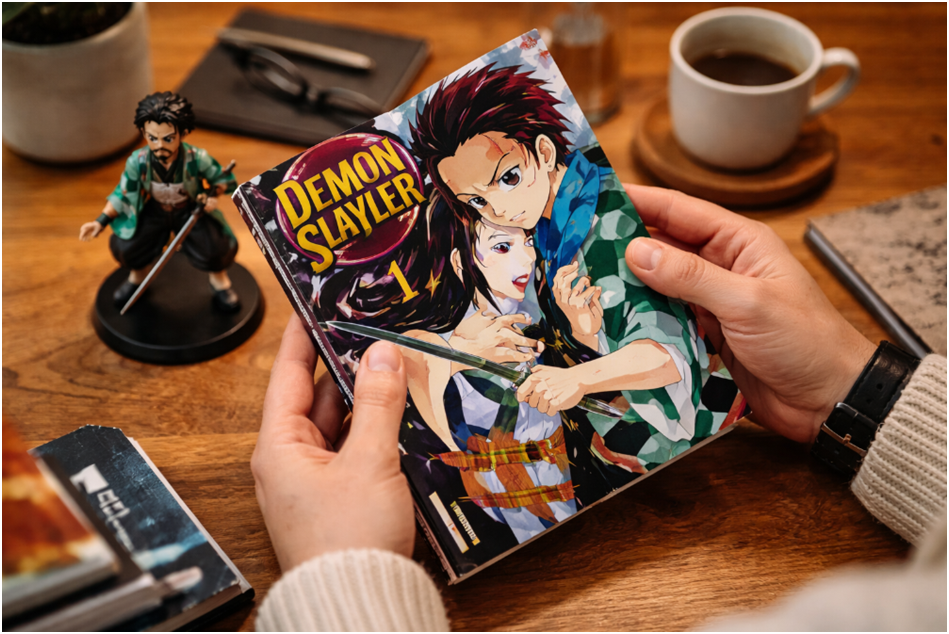
The dazzling colours, hypnotic swordplay, and gripping storyline of Demon Slayer may initially suggest a typical fantasy anime but beneath its surface lies a world carved in shadows and soaked in blood. This anime has mesmerised millions, yet one question regularly rises among viewers and parents alike: why is Demon Slayer rated 16+? Whether you’re a curious newcomer, a concerned guardian or a young fan wondering why the age barrier exists, understanding the content that fuels this restriction is essential. This article dissects the elements that have earned Demon Slayer its mature rating. From explicit visual violence to emotionally harrowing moments and unsettling psychological undertones, we’ll explore each layer without embellishment or evasion. Prepare for a deep dive into an anime that, while beautifully animated, is as brutal as it is brilliant. And if you’re considering owning a Demon Slayer sword, understanding the tone of the anime behind the merchandise might just be the right place to start.
Why is Demon Slayer considered too violent for younger viewers?
At its core, Demon Slayer is a story about trauma, survival and vengeance all woven into a blood-soaked tapestry of demon-slaying. The series features graphic fight sequences where decapitations, dismemberments and extensive blood spray are not only shown but often lingered on for dramatic effect. The animation studio Ufotable, praised for its stunning visuals, doesn’t shy away from making violence look both stylistic and shockingly real. Several episodes showcase disturbing deaths of innocent characters, including entire families being massacred. The presentation is explicit: blood trails, agonising screams, and the aftermath of demon attacks are depicted in haunting detail. There’s no hiding behind metaphors when it comes to the visual storytelling of death in Demon Slayer.
What amplifies the unsettling nature of the show is how the demons themselves suffer when killed. Instead of fading away peacefully, many of them experience prolonged, painful deaths that echo with memories of their past adding emotional weight to already graphic scenes. For a child or young teen, this can be psychologically disturbing. In one infamous scene, a demon uses spider-like strings to puppeteer corpses, manipulating the bodies of dead or dying victims in grotesque, unnatural ways. The impact of these visuals goes beyond action; it leaves lasting psychological impressions that make it unsuitable for younger audiences.
Moreover, the battle cries and mental anguish of the protagonists often intensify the darkness. These aren’t clean, heroic battles they’re painful, raw and riddled with trauma. A show like this demands emotional maturity to fully grasp and process the harsh realities being portrayed. The violence isn’t simply “cartoonish” or fantasy-based. It’s brutal, emotional and unrelenting which aligns with the UK’s BBFC decision to classify Demon Slayer as suitable only for viewers aged 16 and above.
Does Demon Slayer include disturbing psychological themes?
Beyond the physical gore, what truly sets Demon Slayer apart and justifies its age restriction is its deep dive into the psychological torment of its characters. The show doesn’t just depict death, it explores its emotional aftermath with a kind of raw vulnerability rare in shonen anime. The protagonist, Tanjiro Kamado, witnesses the brutal slaughter of his entire family, except for his sister who’s transformed into a demon. His journey is one driven by trauma, guilt and a desperate attempt to cling to his remaining humanity. That narrative thread of grief and emotional endurance sets a heavy tone from the first episode onward.
Recurring themes include mental breakdowns, existential questions, and the moral ambiguity of slaying beings who were once human. Characters often face internal struggles, experiencing flashbacks of abuse, loneliness and deep-seated fear. In addition, several demons are shown to have once been victims of abuse, rejection or isolation, making their current monstrous forms a tragic consequence rather than mere villainy. These backstories are often dark, intense and emotionally layered requiring maturity to fully understand and process.
Such intense emotional complexity can be overwhelming for a younger audience, especially when coupled with the show’s haunting musical scores and deeply expressive voice acting. There’s no hand-holding here Demon Slayer demands emotional resilience, not just to witness the horrors, but to feel them. And while many anime titles are stocked widely across platforms like anime figures shop, it’s important to remember that owning merchandise and appreciating the art is different from digesting the full weight of the story itself.
What scenes in Demon Slayer are considered inappropriate for under 16s?
Many of the most questionable scenes in Demon Slayer are those that combine extreme visuals with emotional distress. The BBFC rating isn’t arbitrary it’s based on a cumulative impact of individual graphic moments. Here are a few standout examples that raise red flags:
Explicit dismemberments and decapitations
These occur frequently throughout the show, sometimes even in slow-motion or with exaggerated blood spray. The fight scenes are high-impact, and the gore is rarely symbolic it’s literal, realistic and often prolonged.
Scenes of parental death and child trauma
Children witnessing or being victims of violent death is a recurring element. The pain of these moments is emphasised through screaming, tears and internal monologues, making it more intense for viewers.
Psychological horror and body manipulation
As previously mentioned, one demon manipulates dead bodies like puppets, which is deeply unsettling. Another uses fear and hallucination as a weapon, causing characters to break down emotionally. These aren’t just fleeting moments they’re central to the narrative and often the emotional peak of episodes. Even seasoned anime fans have admitted to being surprised by how unflinching the series is with its darkest content.
Why is Demon Slayer more mature than other shonen anime?
Shonen anime typically aimed at young teen boys often features fantasy battles, personal growth, and comic relief. While Demon Slayer does touch on these elements, it layers them with a level of maturity and darkness rarely seen in its genre. Unlike Naruto or One Piece, where death is often stylised or used to advance the plot, Demon Slayer makes death feel real and personal. Characters we grow attached to are not guaranteed survival. The emotional stakes are not softened for the audience.
Moreover, the animation style heightens the impact. The use of vibrant visuals against dark subject matter creates a contrast akin to a painting of a battlefield soaked in cherry blossoms beautiful but unsettling. It forces the viewer to pay attention, and to reconcile the beauty of the world with the horror it contains. Some viewers have described the show as a poetic nightmare, where even the most serene moments are haunted by the ghosts of what came before. That level of artistic depth, combined with unfiltered trauma and violence, justifies its age restriction even when compared to darker anime like Attack on Titan or Tokyo Ghoul.
How do parents and educators view Demon Slayer’s age restriction?
There’s a growing conversation among parents and educators about anime and age-appropriate content. While animation is still wrongly assumed by many to be “for kids”, Demon Slayer is a prime example of how visual storytelling can be targeted at mature audiences. Many parents report being caught off-guard after allowing younger children to watch the show due to its colourful visuals and popularity. But after viewing a few episodes, the emotional weight, violent intensity and mature themes become clear and often too much for younger minds to digest.
Educators and psychologists often point out that content like Demon Slayer can lead to nightmares, anxiety, and emotional confusion in viewers not equipped to process such themes. While teenagers may relate to themes of loss, identity and resilience, younger children are more likely to be disturbed. It’s important that platforms enforce age guidelines, and that adults understand them not as limitations, but as protective measures. The age rating isn’t a barrier to enjoyment, but a warning sign to ensure viewers are ready to handle what they’re watching.
A final reflection on Demon Slayer’s 16+ rating
Demon Slayer is undeniably a masterpiece of animation, storytelling and emotional depth. Yet, its 16+ rating is far from excessive it’s a necessary classification that respects the psychological and emotional journey it presents. For those old enough to handle its themes, it offers a powerful, haunting experience that speaks to love, loss and the human spirit. For younger audiences, however, the beauty of its world is overshadowed by its brutal honesty. If you’ve watched the show or considered letting someone younger dive in, what were your thoughts on the age rating? Did any particular scene stand out or surprise you? Let us know how Demon Slayer left its mark on you.
What should viewers consider before watching Demon Slayer?
Before diving into the world of Demon Slayer, viewers particularly those under 18 or their guardians should take into account several critical elements that shape the viewing experience. While the anime is undeniably a visual spectacle filled with compelling characters and a rich narrative, it is also steeped in emotional depth, intense violence and deeply psychological moments. One of the first things to acknowledge is that Demon Slayer isn’t meant to be “just another anime.” It’s not light entertainment; it’s a visceral emotional journey where even the brightest moments are painted with grief and consequence. Viewers should be ready to experience stories of suffering, characters pushed to their emotional limits, and moral questions that blur the line between right and wrong.
It’s also worth noting how the pacing and atmosphere contribute to the emotional heaviness. Quiet, still moments often serve to amplify the intensity of what’s to come. Silence is used not as filler, but as a tool to increase anxiety a subtle warning that horror is never far away. Parents should particularly take into consideration:
- The repetition of traumatic imagery (such as family slaughter, dying children, and cries for help)
- The empathy demanded from viewers towards tragic demons, which might emotionally confuse younger viewers
- The stylisation of gore which, while artistic, does not reduce its impact
- The lack of comic relief in many episodes unlike other shonen anime that balance drama with humour, Demon Slayer often sustains its emotional pressure across full arcs
Even the musical score elegant and haunting has been crafted to stir emotion in moments of despair, isolation and fear. For many, this is what makes Demon Slayer a masterclass in immersive storytelling, but it also explains why it’s categorically not aimed at a young audience. Finally, viewers should understand that the beauty of the animation doesn’t soften the content. In fact, it magnifies it. The more realistic and detailed the violence, the stronger its emotional effect. This is not an anime that shies away from showing pain it invites the viewer to feel every cut, every scream, and every farewell.
The broader impact of Demon Slayer’s rating in anime culture
The 16+ classification for Demon Slayer in the UK isn’t just a footnote it’s a landmark. It reflects a broader shift in the global anime industry where age-appropriate content is finally being taken seriously. The medium has evolved far beyond the “Saturday morning cartoon” stereotype, and Demon Slayer is one of the clearest indicators of that change. This has opened up important conversations in Western markets about anime censorship, parental responsibility and cultural perception of animation. In Japan, viewers are generally accustomed to mature themes in animation, and rating systems allow for that freedom. However, in countries like the UK, the line between “anime” and “child-friendly” is often blurred which is precisely why age ratings are so crucial. From a cultural standpoint, Demon Slayer is also helping raise awareness among international audiences about the emotional complexity that anime can deliver. Viewers expecting a typical shonen adventure are instead met with Shakespearean tragedy, visual horror and philosophical dilemmas. This contrast is helping redefine what anime can be and why ratings exist not to restrict enjoyment, but to elevate it for the right audience. For content creators, critics and long-time fans, Demon Slayer serves as a reminder: emotional storytelling, when done right, can be devastatingly beautiful but only when the viewer is ready for it.